Tag: Latino
Ready for a Game-Changer? – Expanding the Electorate and Ensuring Equity for All #Freedom #BeThe1st #RealRealty

Try Responsibility
Imagine seeing a family struggling to carry heavy boxes up the stairs to their new home. It’s scorching hot, and they look exhausted. Do you stop and help? Does it matter if that family doesn’t look like you or holds different political beliefs?
It didn’t matter to my neighbors in Toledo. One day, as I was heading home, I noticed a family moving into a house down the street. They were clearly struggling. Without hesitation, a few of us walked over to lend a hand. We weren’t professional movers, but we knew that if we all pitched in, the job would get done faster. What mattered was that we came together as a community to help this family start their new chapter.

But this isn’t just about moving day. It’s also a reflection of broader challenges—challenges deeply rooted in our history, like redlining and segregation. These practices have left lasting scars on our communities, particularly communities of color, where opportunities have been systematically denied for generations. Redlining has created deep-seated frustrations, as families who were kept out of certain neighborhoods and denied loans are still feeling the effects today.
Despite these challenges, there’s a profound desire for change. Across the country, people are coming together to create inclusive communities where diversity is celebrated. But with this vision comes a deep fear—that communities of color will continue to be pushed into less desirable, under-resourced areas. This fear isn’t just about housing; it’s also present in our voting systems. New laws restricting early, in-person voting disenfranchise thousands, particularly Voters of Color, who rely on early voting.
We’ve seen this before. In 2000, long lines at the polls led to many voters being turned away before they could cast their ballots. Nearly a million people were affected—close to 3% of all registered voters. These are the kinds of challenges that can undermine our democracy and erode trust in our institutions.
In 2024, the stakes are even higher. The U.S. Census Bureau projects that African Americans eligible to vote will number around 33 million, Latinos around 55 million, and Asian Americans and Pacific Islanders (AAPI) approximately 18 million. These numbers tell us that Voters of Color could make up more than 30% of the eligible electorate, playing a crucial role in shaping the future of our nation.
In Michigan, the 2024 voter registration data reflects this trend. The state has seen a significant increase in voter registration among people of color, with African Americans making up approximately 14% of the registered voters, Latinos around 5%, and AAPI voters about 3%. These numbers underscore the growing influence of Voters of Color in Michigan, a key battleground state where every vote matters.
But if laws restricting access to the ballot box persist, we risk pushing these communities out of the democratic process. That’s why our ultimate goal should be to pass laws that expand democracy to every American. We need a coalition of compassionate people—White, Latino, Black, Asian, Native American, Women, Unions, and Young Voters—working together to ensure that the American promise of liberty and justice for all is truly realized by all.
Just like we helped that family move into their new home, we need to help each other carry the weight of our democracy. By ensuring that everyone has a voice and a vote, we can build a nation where everyone has a place in our democratic home. #Freedom #BeThe1st #RealRealty
Kirk Clay leads Capitol View Advisors with a vision rooted deeply in our shared values, channeling our collective creativity and strategic insight to bridge communities with the essential information and resources they need to elevate and achieve their dreams.
Breaking Barriers: The Urgent Fight for Fair Housing in America #BeThe1st #Freedom
Owning a home has always been a cornerstone of the American Dream, representing freedom, security, and the opportunity to build a better future. Yet, today, the path to homeownership is obstructed for too many Americans, not just by financial hurdles but by deeply entrenched injustices and discrimination.
No one should be denied the chance to own a home because of the color of their skin or the neighborhood they come from. Yet, even in 2024, many Americans face bias when applying for a mortgage. This isn’t just a financial issue; it’s a matter of justice. When a person’s ability to secure a loan is determined by their race or zip code rather than their creditworthiness, we fail to uphold the promise of equal opportunity for all.
The Situation in Washington DC
Washington DC’s diversity, with 46% of its voting-age population identifying as Black or African American and 41% as white, underscores the urgent need for equitable housing policies. When nearly half of the population belongs to groups historically discriminated against in the housing market, the need for fair practices becomes even more pressing.
We must confront these biases head-on. It’s time to ensure that every American, regardless of race or background, has a fair shot at homeownership. Allowing discrimination to persist in our housing market weakens the very fabric of our society.
The Housing Affordability Crisis
Discrimination in lending practices shuts the door on homeownership for too many hardworking families, locking them out of wealth-building opportunities and perpetuating cycles of poverty. Washington DC’s housing affordability crisis exacerbates these issues, with median home prices exceeding $600,000. High housing costs disproportionately impact minority communities, with nearly 60% of Black households in DC spending more than 30% of their income on housing, compared to 40% of white households.
This situation cannot continue. We must hold lenders accountable for fair practices, enforce anti-discrimination laws, and provide support to historically marginalized communities. When everyone has a chance to own a piece of this country, our nation grows stronger together.
Access to Mortgage Approvals
Every American deserves a fair shot at owning a home. Yet, our systems remain skewed against those who need a fair chance the most. In Washington DC, Black homebuyers are often offered higher interest rates than their white counterparts, even when they qualify for lower rates. We must fight for equal access to mortgage approvals, ensuring that everyone can walk through the door of opportunity.
A home is more than just a roof over your head; it’s the foundation of security and prosperity. We must ensure that every family has the chance to build that foundation.
Conclusion
The fight for fair housing is about justice, equality, and the American Dream. It’s about ensuring that everyone has the opportunity to build a life for themselves and their families. The choices we make now will determine the kind of country we leave for future generations. Let’s build a future where everyone, regardless of race or background, has the opportunity to own a home. Together, we can create a nation where fairness, justice, and equality are not just ideals, but realities. #BeThe1st #Freedom
Kirk Clay leads Capitol View Advisors with a vision rooted deeply in our shared values, channeling our collective creativity and strategic insight to bridge communities with the essential information and resources they need to elevate and achieve their dreams.
You Have Two Choices – The Next United States President and the Power of America’s Changing Demographics #BeThe1st #Freedom

We’re witnessing a profound shift in America’s political landscape, one that Vice President Kamala Harris embodies in a way few others can. As the first woman, the first Black person, and the first person of South Asian descent to hold the office of Vice President, Harris symbolizes the evolving face of the American electorate. These demographic changes are not just reshaping who votes, but also the issues that resonate and the values we prioritize.
Strengthening Support for Harris
Since stepping into the 2024 race, Vice President Kamala Harris has managed to energize the Democratic base in a way that Joe Biden couldn’t. Back in July, only 43% of Biden’s supporters described their backing as strong. Today, 62% of Harris’s supporters are with her strongly, on par with Trump’s 64% strong support among his base. This surge is evident across key demographic groups—women, Black, Hispanic, and Asian voters—who now express more intense support for Harris than they did for Biden.
Expanding Democracy Amid Challenges
The growing diversity of the American electorate offers both opportunities and challenges for expanding democracy. However, this progress is under threat from voter suppression efforts across the country. States like Texas and Florida have passed laws that disproportionately affect people of color, targeting alleged “voting impostors” and leading to flawed purges of voter rolls.
But these efforts are being met with resistance from a broad coalition of voters—progressive Whites, Latinos, African Americans, Asians, Native Americans, unions, and young voters. They’re determined to protect the right to vote, particularly in states like Florida and Texas, where Voters of Color represent a significant and growing portion of the electorate.
The Role of Voters of Color
Voters of Color are becoming an increasingly powerful force in American politics. In Florida, they make up 31% of the voting-age population, and in Texas, Latinos alone account for 40% of the state’s total voting-age population. Mobilizing these voters could lead to significant shifts in electoral outcomes, particularly in close races. Harris’s ability to engage these communities is crucial as the nation continues to diversify.
Conclusion
Vice President Kamala Harris’s rise to the vice presidency and her current momentum in the 2024 race are emblematic of the broader demographic shifts reshaping America. Her intersectional identity aligns with the evolving composition of the electorate, positioning her to benefit from these changes. However, the fight for a more inclusive democracy is ongoing. Harris’s success is not just about her individual capabilities; it’s about an America that is becoming more inclusive and representative. As we look ahead, ensuring that every eligible voter can participate in our democracy is more important than ever.
———————————————————–
Kirk Clay leads Capitol View Advisors with a vision rooted deeply in our shared values, channeling our collective creativity and strategic insight to bridge communities with the essential information and resources they need to elevate and achieve their dreams.
Your Sneak Peek Inside the Future – Unleashing the Power of Young Voters of Color #BeThe1st #Freedom

After seeing Vice President Harris’ pragmatic pick for Vice President, I received calls asking how this would affect the enthusiasm for the ticket. His selection does a few things: it gives anti-freedom voters permission to vote for Harris, helps her explain her evolution since being a Senator from California, and energizes young voters who are like kinetic energy, ready to accelerate.
- A recent Gallup poll shows Vice President Kamala Harris leading her Republican opponent among voters under 30.
- Harris has increased her lead by 6 points with young voters of color.
- Harris’s job approval among Latinos has risen 4 points in three weeks.
- Harris has closed the gap in battleground states.
- Among African Americans, Harris holds a significant lead over her opponent.
I discussed these trends with a young friend in Missouri. She affirmed the surveys, noting that young voters are frustrated with politicians who ignore college affordability. This mirrors the 2006 midterm elections when young people were 15% of Missouri’s electorate, and the Senate race was won by just 45,000 votes.
Are young Americans looking for someone to stand up to extreme politicians? Will it take a coalition of progressive Whites, Latinos, African Americans, Asians, Native Americans, Unions, and Young Voters to get Washington back on track?
A clear majority of 18-29-year-olds feel “elected officials don’t have the same priorities I have” and believe politics have become too partisan. Many also feel elected officials are motivated by selfish reasons.
In 2008, youth voter turnout surged, driven by Latino and African American youth. For instance, 42% of young Latino women and 39% of young Latino men voted. Over 52% of African American youth aged 18-24 voted, the highest turnout rate among any youth group by race and ethnicity. Young voters comprised 21% of Missouri’s electorate, with the President losing by just 39,000 votes. This is significant, considering that VOC increased their 13% vote share to 19% in 2010.
Young African Americans and Latinos represent 15% and 18% of the total youth population, respectively. By 2024, young people of color could make up over 37% of the 18-24 age population. Kansas City, Missouri, for example, grew by 4.1% to 459,787 and is now nearly 40% POC, with many voters under 29. These voters understand the link between political engagement and democracy.
As these voters re-engage, political organizations will reinvest in them. Their clearer interests will shape their preferences. As we learned in 2008, the power of the youth vote extends beyond their interests, influencing policy for every American. That’s the essence of real political power.
St. Louis Census and Voting Age Population Data
- St. Louis City Population: Approximately 301,578 (2020 U.S. Census).
- Voting Age Population: Around 240,000 (18 years and older).
- Racial Composition: 46% African American, 43% White, and 11% other races including Latino, Asian, and Native American communities.
- Young Voter Demographics: 22% of the voting age population is between 18 and 29.
These demographics underscore the critical need for targeted voter outreach strategies to engage and mobilize young voters of color in St. Louis and urban areas across the nation. This isn’t just a fleeting burst of enthusiasm; young voters are like kinetic energy, poised and ready to spring into action. Their momentum, once unleashed, can sustain for months, providing a vital boost to the campaign.
The Vice President’s evolution since her time as a Senator from California is key here. Serving as Vice President for three years, she now brings a broader perspective to the table. Her legislative priorities reflect the diverse and evolving needs of the entire nation. This strategic timing is precisely what this race needed, illustrating how leadership adapts and grows to meet the challenges of the moment. Timing, indeed, is everything. #BeThe1st #Freedom
—————————————————————
Kirk Clay leads Capitol View Advisors with a vision rooted deeply in our shared values, channeling our collective creativity and strategic insight to bridge communities with the essential information and resources they need to elevate and achieve their dreams.
Fighting For You – Confronting Partisan Manipulation and Mobilizing Voters for Change #BeThe1st #Freedom

You know, as I reflect on the recent abortion debate, I can’t help but think about how politicians often become a bit like a “jellyfish” during election seasons, shifting their stances as they pivot to broader audiences. Just like a jellyfish can drift aimlessly, these politicians use language that allows them to deny any disrespect when questioned. They coin terms like Bidenomics, Obamacare, and self-deportation or twist comments on international policy to ignite reactions from their base. Beneath all this, there’s a subtle manipulation of their values to rally their supporters.
What’s clear is that there was a time when one party controlled the House for 40 years. Then, in ’94, some of the most conservative elements in our country devised a strategy to gain a majority. Now, the belief that “you can’t win without demonizing the other party” has taken root, and only the American voter can break this cycle. Will politicians try to manipulate voters with sexism, fear, and hate? Will they use wedge issues to galvanize their base on Election Day?
I recall the 2006 elections when extremists launched a fierce “cultural war” to drive voter turnout, only to lose key races. The political climate today feels similar. However, evidence suggests they might lose even more seats this time around. We’ve seen a surge of new registrants, young voters, and energized voters of color (VOC) who will return to the polls in 2024.
This shifting political landscape is evident in majority-minority cities like Norfolk, where the population grew by 3.4% to 242,803. This growth adds over 83,000 “key” voters of color. Additionally, people of color make up 26% of Virginia’s Citizen Voting Age Population, having been 24% of the vote share in 2008 and about 23% in 2010. Their influence will be even greater this election cycle.
However, we must also address the issue of voter suppression, which has historically impacted African American voters in Virginia and across the nation. Recent studies have shown that measures such as strict voter ID laws, purges of voter rolls, and reductions in early voting disproportionately affect African American communities. For instance, a report by the Brennan Center for Justice found that states with a history of racial discrimination in voting are more likely to adopt restrictive voting laws.
Despite these challenges, there is hope. If a modern coalition of conscious whites, Latinos, African Americans, Asians, Native Americans, women, unions, and young voters all demand honest and trustworthy candidates, we can revitalize, expand, and save our democracy. The truth is, we all love our country and every community within it. That’s what drives most Americans to be compassionate. Hate only motivates “jellyfishy” candidates to become partisan obstructionists. In my part of town, you can’t win without love. #BeThe1st #Freedom
—————————————————————
Kirk Clay leads Capitol View Advisors with a vision rooted deeply in our shared values, channeling our collective creativity and strategic insight to bridge communities with the essential information and resources they need to elevate and achieve their dreams.
Can You Believe This Happened – Voter Suppression Laws Target Young Black Men #BeThe1st

In our American democracy, the right to vote is one of the most sacred threads, weaving together the fabric of our nation. The recent nomination of Kamala Harris for President is a beacon of inspiration, symbolizing equality and empowerment. It reminds us that every citizen has the power to shape the direction of our country. Yet today, this fundamental right is under siege, especially for Black men in the South. They confront an array of voter suppression laws designed to silence their voices and diminish their power. We cannot stand idly by as these laws target Young Black men unjustly. Together, we can ensure every voice is heard and every vote counts.
We need an innovative approach to politics that combines demographic developments, technological tools, and network theory into a powerful force for change. Recognizing that People of Color and progressive Whites are the New American Majority, we need to direct our resources to strategic races in states where the demographic revolution can change the political balance of power.
Voter suppression is not a relic of the past; it is a stark reality of our present. Restrictive voter ID laws, purges of voter rolls, and limitations on early voting are tactics that disproportionately impact Young Black men. These laws are often justified under the guise of preventing voter fraud, but they systematically disenfranchise those who are already marginalized. Black men, who have historically faced barriers to voting, now find themselves on the front lines of this modern struggle.
In North Carolina, recent data highlights the impact of voter suppression laws. In 2013, North Carolina passed a restrictive voter ID law that was later struck down by a federal court, which found that it targeted African Americans “with almost surgical precision.” Despite this, the state has continued to implement policies that disproportionately affect Black voters. During the 2016 election, North Carolina saw the closure of 27 polling places in counties with large Black populations, contributing to longer wait times and lower voter turnout in those areas. Additionally, a 2020 study found that Black voters in North Carolina were 50% more likely to have their mail-in ballots rejected than White voters.
The right to vote should not be contingent on one’s race, yet that is the grim reality we face today. We must come together, advocate for fairness, and uphold the values upon which our nation was founded. Voter suppression laws seek to undermine the voices of Young Black men, making it harder for them to participate in the democratic process. This systemic exclusion is a deliberate attempt to silence a significant portion of our population.
We are not powerless in the face of this challenge. Together, we can make a difference and fight for a more just and equal society. By highlighting the impact of voter suppression and mobilizing our communities, we can work toward systemic change that ensures fairness and justice for all. The fight for voting rights is a fight for the very principles of democracy. Democracy thrives on inclusivity and equal participation. When these principles are compromised, the legitimacy of our democratic system is called into question. The right to vote is not a privilege; it is a fundamental right that must be protected for all.
In conclusion, the fight against voter suppression is a fight for the very essence of democracy. Young Black men in the South are facing significant barriers that threaten their right to vote and their place in the democratic process. We must stand together, advocate for justice, and work tirelessly to ensure that every voice is heard and every vote is counted. This is not just a fight for voting rights; it is a fight for the future of our democracy. Together, we can make a difference and build a more just and equal society. #BeThe1st
—————————————————————
Kirk Clay leads Capitol View Advisors with a vision rooted deeply in our shared values, channeling our collective creativity and strategic insight to bridge communities with the essential information and resources they need to elevate and achieve their dreams.
Resilience and Hope in the South: People of Color Campaign in Mississippi and Grassroots Organizing #BeThe1st
Two decades ago, I got a call from Reverend James Orange, a stalwart in the civil rights movement and assistant to Reverend Dr. Martin Luther King Jr. Alongside Reverend Dr. Joseph Lowery, co-founder of the Southern Christian Leadership Conference, they asked me to lead a statewide civic engagement campaign in Mississippi. We teamed up with leaders from the National Education Association, Coalition of Black Trade Unionists, A. Philip Randolph Institute, and the NAACP. Our vision was clear: a brighter future for the South.
Mississippi has faced national scrutiny for its discriminatory laws, poor environmental infrastructure, and attacks on public education. Yet, these challenges have been met with steadfast resistance and a robust spirit of social justice organizing. The political investment of civic engagement organizations in the 2023 election further exemplifies this story of resilience. The campaign promoted fair wages, justice through environmental infrastructure, protecting public schools, and healthcare accessibility. Activists’ commitment to infrastructure jobs, healthcare access, and educational excellence reflects a vision for a healthier and more equitable Mississippi. The growing African American demographics are poised to influence the political landscape, increasing support for Democratic candidates and policies.
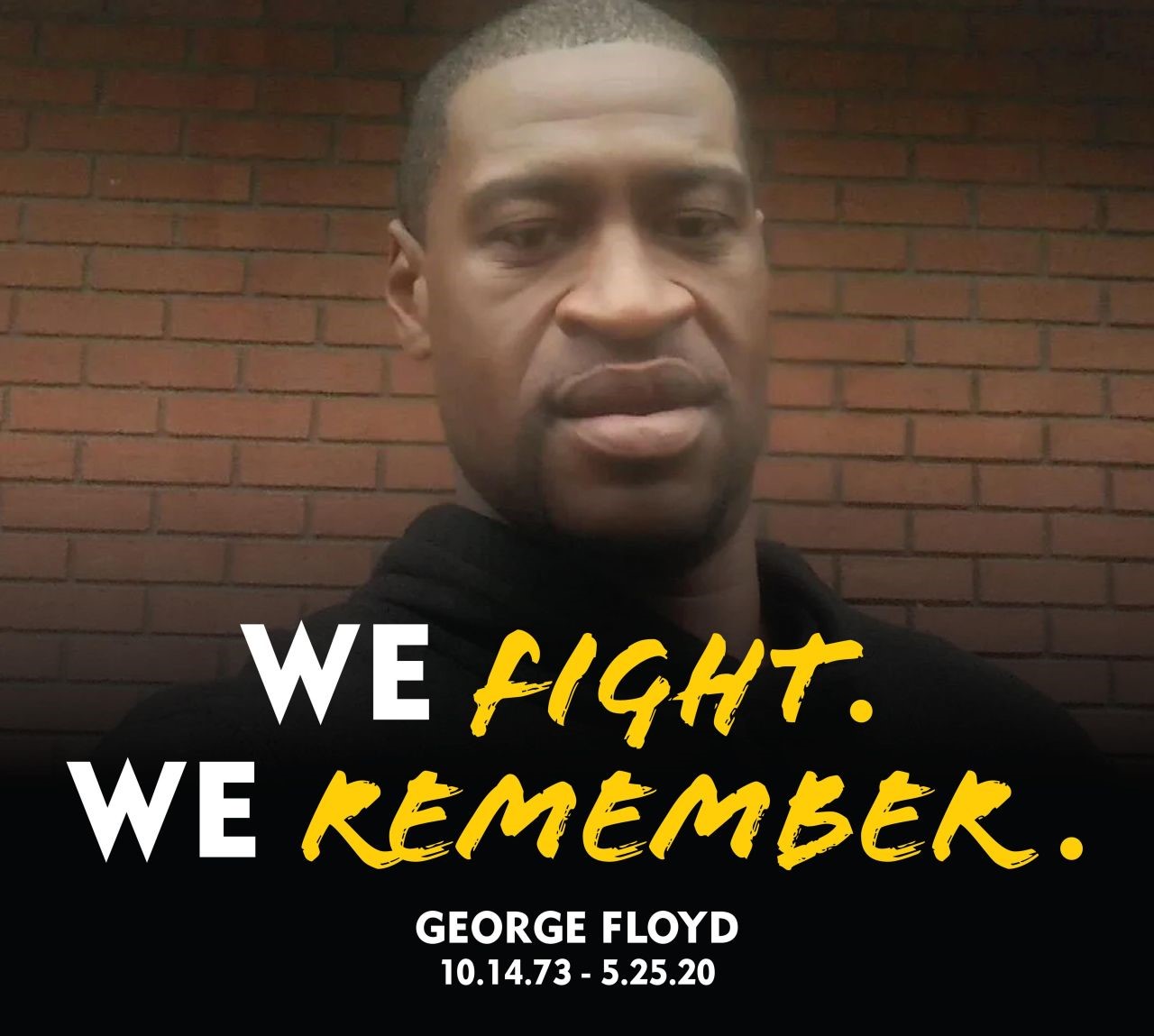
In 2023, young activists were trained to equip them with the skills and knowledge to protect election integrity, ensuring that the fight for justice continues beyond the campaign. This initiative is a beacon of hope, igniting a spark in the hearts of many young leaders. In 2020, the murder of George Floyd ignited a powerful movement across the country, with Mississippi witnessing significant protests and demands for reform. Those protests brought together students, activists, and veterans of the civil rights movement, demonstrating the power of coalition-building. This broad, unified movement has matured into a political force, and the strength of sustained collaboration is making a difference today.
The 2023 Governor’s race was a testament to the transformative power of youth engagement, the changing political landscape, and the enduring spirit of social justice organizing. This civic engagement movement, fueled by a new political class and a commitment to justice, is poised to drive change. Mississippi stands as a beacon of hope, demonstrating that a brighter, more just future is within reach. Let’s continue to support these efforts and work together for the change we all believe in.
Tipping Point – Mississippi Blue
The 2023 Mississippi gubernatorial election showcased a competitive race, with incumbent Republican Governor Tate Reeves narrowly defeating Democratic nominee Brandon Presley. This election highlighted the potential for future Democratic gains in Mississippi, a state traditionally considered a Republican stronghold. By capitalizing on the state’s evolving demographics, Democrats can implement a comprehensive, data-driven, and community-focused campaign plan to turn more counties blue.
Mississippi’s political landscape remains heavily segregated along racial lines, despite having the highest percentage of Black residents of any state. Approximately 90 percent of white voters in the state support the Republican Party, creating a significant barrier for Democratic candidates. However, Mississippi’s demographic trends present a significant opportunity for Democrats. The nonwhite population in Mississippi is projected to reach 46 percent by 2030. This shift, if strategically harnessed, could be pivotal for turning Mississippi into a Democratic stronghold.
For Democrats to achieve statewide victories in Mississippi, they must increase white voter crossover and drive explosive turnout from Black voters. This requires a comprehensive approach that addresses deep-seated racial dynamics and a political landscape resistant to change. By focusing on local issues, fostering grassroots organizing, and leveraging the growing nonwhite population, Democrats can build a sustainable and engaged voter base.
Conclusion
The 2023 Mississippi gubernatorial election demonstrated the potential for Democrats to make significant gains in the state. By understanding the unique needs of each community, building a strong ground game, engaging young and diverse voters, ensuring access to the ballot, and focusing on key issues, Democrats have a significant opportunity to increase voter turnout and potentially flip Mississippi blue in future elections. By strategically leveraging Mississippi’s evolving demographics, Democrats can create a coalition that reflects the true spirit of the state and ensures every Mississippian’s voice is heard. #BeThe1st
—————————————————————
Kirk Clay leads Capitol View Advisors with a vision rooted deeply in our shared values, channeling our collective creativity and strategic insight to bridge communities with the essential information and resources they need to elevate and achieve their dreams.
The Transformative Power of Youth Engagement and the 50 State Strategy – Down Ballot Races #BeThe1st
Following last week’s debate and the recent Supreme Court decisions, I have received numerous inquiries regarding my perspective on how these two events might influence down-ballot races. I took some time to crunch the numbers, and I found something that fills me with great hope for the future of our democracy: the engagement of young voters and the emergence of a new political landscape in America. Nowhere is this more evident than in southern states like Tennessee and its U.S. Senate race. This transformation is a reflection of the changing dynamics in our society, as highlighted by the Harvard Youth Poll and the grassroots efforts led by candidates like Marquita Bradshaw.
Insights from the Harvard Youth Poll
The Spring 2024 Harvard Youth Poll offers us a glimpse into the hearts and minds of young Americans aged 18 to 29. These young people are resolutely committed to participating in the upcoming elections, and their voices are reshaping our political terrain. President Biden leads former President Trump by eight percentage points among all young adults, with a significant 19-point lead among likely voters. This engagement mirrors what we saw in 2020, demonstrating that our young people are deeply invested in the political process.
They are acutely aware of critical issues—economy, foreign policy, immigration, and climate change. Economic concerns and housing dominate their minds, reflecting a generation grappling with complex social and economic realities. Domestically, they recognize the immigration crisis at the Southern border but largely oppose building a border wall, viewing immigrants as enriching the culture of our great nation. Despite declining trust in institutions, young Americans remain committed to engaging with political institutions and driving change.
The Tectonic Shift in Political Landscape
We are witnessing a tectonic shift in the political landscape of the United States, driven by changing demographics and voting trends. In recent years, the Democratic Party has made significant gains, particularly among voters of color and other progressive demographics. Evidence-based data reveals a transformation that mirrors the trends we saw in 2006, with the potential for substantial gains in future elections.
A number of GOP House members represent districts won by President Obama. Redistricting has placed a significant number of voters of color in districts that can influence elections. These districts present prime opportunities for progressive candidates with compelling messages to break through. The hyper-polarized political environment and recent redistricting, which packed Republican districts to be smaller and whiter, have solidified the fundamentals faster and left fewer surprises.
Conclusion
This moment calls for unity, determination, and a steadfast commitment to justice and progress. Young Americans are stepping up, and with their energy and passion, we can look forward to a brighter, more inclusive future for our nation. The engagement of young voters and the rise of new political dynamics, particularly in states like Tennessee, demonstrate that change is not only possible but inevitable. With leaders like Marquita Bradshaw at the forefront, we are reminded that with determination, unity, and an unwavering commitment to justice, anything is possible. Tennessee stands as a beacon of hope, demonstrating that a brighter, more just future is within reach. #BeThe1st
———————————————————————
Kirk Clay leads Capitol View Advisors with a vision rooted deeply in our shared values, channeling our collective creativity and strategic insight to bridge communities with the essential information and resources they need to elevate and achieve their dreams.
Willie Mays was more than a baseball player; he was a…
Willie Mays was more than a baseball player; he was a trailblazing role model who inspired generations. His legacy of excellence and humility will continue to inspire us. Rest in peace, Willie. #WillieMays #Legend #Trailblazer #Election2024 #BeThe1st #RealRealty
 KirkClay.com