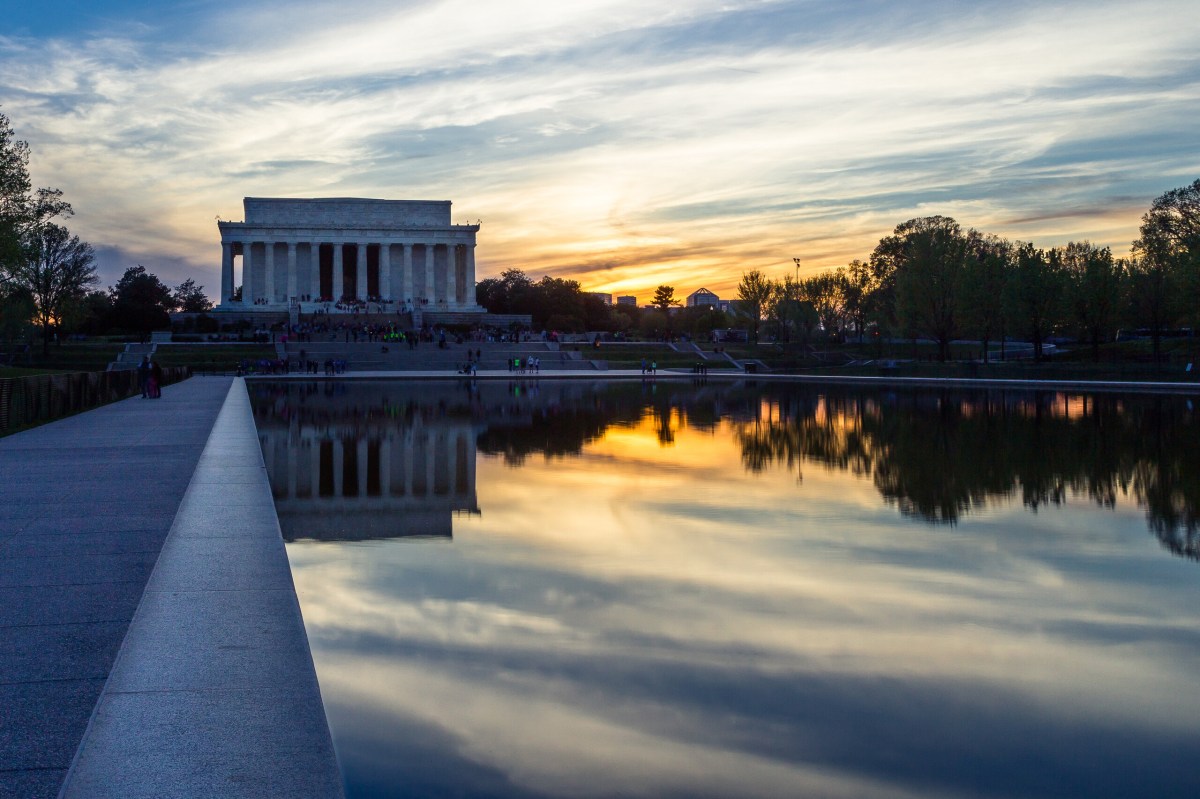
This year marks the 60th anniversary of Freedom Summer, a seminal moment in 1964 that remains a cornerstone of our Civil Rights Movement. It was a summer defined by the bravery of Michael Schwerner, Andrew Goodman, and James Chaney, who faced down immense danger to secure the fundamental right to vote for African Americans. Their sacrifice illuminated the stark injustices of their time, prompting changes in our laws that continue to echo through the decades. Yet, our journey toward truly equitable voting rights is far from complete, as we face new challenges with restrictive laws that risk silencing many voices in our democratic chorus, particularly in places like Tennessee.
In the current climate, where headlines often speak of presidential impeachment threats, a stalled economy, and a broken immigration system, the reality we live in is undeniably complex. Despite this, our economy has seen consistent growth, unemployment is at its lowest in years, and there is a broad consensus on the need for practical immigration reforms. However, the shadow of potential economic downturns looms large, and the emergence of jobs that either pay too little or demand specialized skills does little to alleviate the concerns of those most economically vulnerable among us.
The stagnation in achieving comprehensive immigration reform and a political deadlock exacerbate matters, often serving as excuses for inaction on issues from deportations to border security. This deadlock extends to our voting processes, where new regulations threaten the disenfranchisement of seniors, veterans, and minority voters.
Reflecting on the spirit of the original Freedom Summer, we must reaffirm the critical importance of protecting every American’s right to vote, a right sanctified by the 1965 Voting Rights Act. Despite setbacks such as the Supreme Court’s dismantling of vital parts of this legislation, our commitment must be unwavering—we must ensure that every citizen can access the ballot, even as restrictive voter ID and early voting laws pose fresh barriers.
As we confront these layered challenges, our path forward is clear. We must transcend the usual political maneuvers and strive for substantive legislative reforms. Inspired by the courage shown in 1964, our 2024 Freedom Summer campaign is poised to spark a new movement for voting rights, focusing on amplifying voter registration and turnout in communities of color and areas historically affected by voter suppression.
The 60th anniversary of Freedom Summer isn’t just a moment for reflection—it’s a potent call to shape the story of democracy in America. Let’s ensure every voice is heard, every vote is counted, and continue our unwavering commitment to a future where civil rights are truly upheld for all. This is our tribute to the past and the blueprint for a future that honors the profound sacrifices that brought us here. Let’s stand together, make our voices heard, and forge real change.
———————————————————————
Kirk Clay leads Capitol View Advisors with a vision rooted deeply in our shared values, channeling our collective creativity and strategic insight to bridge communities with the essential information and resources they need to elevate and achieve their dreams.
As Alabamians head to the polls this Tuesday for the 2024 primary runoff elections, it’s a pivotal moment to reflect on how far we’ve come and the journey still ahead. This isn’t just about marking ballots; it’s about understanding the profound impact of our actions today on the fabric of our democracy and the legacy we are building for future generations.
The Power of the Voting Rights Act
A recent landmark decision by the U.S. Supreme Court has mandated the redrawing of Alabama’s congressional map, a move that serves as a testament to the enduring significance of the Voting Rights Act of the 1960s. This action corrects long-standing discrepancies that had undermined the electoral influence of Alabama’s black voters, reaffirming their right to elect representatives who truly represent their voices.
The Challenge of Fair Representation
The creation of Alabama’s new congressional district was no small feat. It emerged from a strenuous struggle with the state legislature, underscored by several rounds of intense negotiations and legal battles. Finally, a special master crafted the boundaries of what is now a nearly majority-black district, stretching across the historic and culturally rich Black Belt of Alabama. This new district addresses a stark inequality: while black voters constitute about 27% of Alabama’s population, they previously had a much lower chance of electing representatives of their choice.
Embracing Change in Alabama
The new map is more than just lines on a page; it is a promise of potential shifts in our state’s political landscape. This change might not only enhance fair representation but could also lead to significant political developments, possibly increasing Democratic representation in a traditionally Republican stronghold. This isn’t about partisan victory; it’s about ensuring that all voices are heard and valued in our democratic dialogue.
The Heartbeat of Our Community
The response from Alabamians, especially within communities of color, has been deeply emotional and overwhelmingly positive. This decision is seen as a critical milestone in the ongoing struggle for voting rights—a saga marked by both advances and setbacks. It reflects a broader narrative of resilience and perseverance, characteristics that are deeply woven into the fabric of our communities, especially in the South.
Looking Forward: The Importance of Engagement
As we approach the runoff elections, it’s crucial to focus not only on the candidates but also on the broader implications of this new district. We are reminded that effective representation requires more than just familiarity; it requires a deep, enduring connection to the community. This election will test whether the redrawn boundaries will translate into increased voter engagement and participation. It’s a call to action for all eligible voters to make their voices heard, to ensure our elected officials truly reflect the diverse tapestry of our state.
A Ripple Effect Across the Nation
The changes in Alabama are likely to have far-reaching effects, potentially influencing redistricting efforts in other states, especially in the South. This case underscores the intricate relationship between race and politics in America and highlights the importance of upholding the principles of justice and equality in our electoral processes.
As we stand at this crossroads, let us choose the path of engagement and empowerment. Let’s continue to build on the progress made, ensuring that every American has the opportunity to shape the future of our nation. This is how we honor our past struggles and move forward together, stronger and more united in our purpose.
————————————————————
Kirk Clay leads Capitol View Advisors with a vision rooted deeply in our shared values, channeling our collective creativity and strategic insight to bridge communities with the essential information and resources they need to elevate and achieve their dreams.

As we approach the 2024 elections, it’s essential we take a moment to reflect on the journey ahead, to understand the interplay between our electoral process and the investments we’re making in our nation’s infrastructure. This isn’t just about comparing data from previous elections. It’s about recognizing the profound impact that our commitment to building bridges, roads, and schools has on our democracy, and how the decisions we make today in city planning and zoning will shape the America we pass on to our children.
Let me be clear: America is at a crossroads. The infrastructure bill represents not just an investment in concrete and steel, but in the very idea of America itself—a belief in a future where we come together, across party lines, to rebuild not just our physical landscape but the bonds of our communities. This effort is intrinsically linked to how we live, where we live, and how we envision our collective future, touching everything from the housing market to the resilience of our cities against the challenges of tomorrow.
Remember, following the 2020 general elections, the shifts in our census populations and the political landscapes that settle thereafter can lead to dramatically different outcomes. This is why the process of redrawing electoral boundaries, a task as old as the nation itself, remains a critical exercise in our democracy. It reflects our ongoing quest to ensure every voice is heard, every vote counts, and that our representation truly mirrors the diverse tapestry of this nation. From the dark chapters of our history, including the three-fifths compromise, to the strides made with the 14th amendment and the Voting Rights Act of 1965, our journey toward a more inclusive democracy continues.
This moment calls for vigilance and action, not just from our leaders but from every one of us. The civil rights community, armed with data from the census, plays a crucial role in defending the progress we’ve made and pushing forward for a nation where every citizen, regardless of color or creed, has an equal stake in the American dream.
The story of America’s future is one of duality—of building the physical foundations that will propel us into the next century, and of nurturing the democratic ideals that define us. As we move towards the 2024 elections, these narratives converge, reminding us that the strength of our democracy is inextricably linked to the strength of our infrastructure. It’s about creating a society that is not only more connected physically but also more united in purpose and vision.
So, as we embark on this path to 2024, let’s view it not merely as a political milestone but as a communal journey towards building a more just, equitable, and resilient America. An America where the endeavors of today—be they in laying down new tracks or in drawing electoral lines—are steps towards realizing the enduring promise of our democracy. That, my friends, is the task before us, to ensure that our collective efforts today help shape a future that reflects the very best of what it means to be American.
####
Kirk Clay leads Capitol View Advisors with a vision rooted deeply in our shared values, channeling our collective creativity and strategic insight to bridge communities with the essential information and resources they need to elevate and achieve their dreams.
Let’s shift our perspective and start asking ourselves, “What if it does work out?” Embrace the vast landscape of possibilities that lie before us. Envision the best possible outcomes, for it’s within these moments of optimism where true change begins to take root. By retraining our minds, we can ascend beyond the confines of overthinking, stress, and habitual negativity. Remember, the journey towards transformation begins within the terrain of our own thoughts. Let’s make the shift. Change the lens through which we view the world. It’s time to switch it up #BeThe1st #RealRealty #CelestialCoach #2r1wm
As we welcome another day under the sun, let’s hold onto the hope for wellness, love, and the kindness that binds us. Let us nurture a spirit of compassion, healing, and positive energy in our interactions. Remember, our minds and bodies are in constant conversation—let’s ensure it’s a dialogue filled with positivity #CelestialCoach #2r1wm
Good morning! 🌞 Each obstacle on our path is not just a barrier but a catalyst for growth, making us stronger for the journey ahead. Let’s move forward with gratitude and belief in our hearts. Fear not, for faith guides us through. #StrengthInAdversity #BeThe1st#RealRealty#GA123#1Bethesda#2r1wm#CelestialCoach
“I don’t make records for pleasure. I did when I was a younger artist, but I don’t today. I record so that I can feed people what they need, what they feel. Hopefully, I record so that I can help someone overcome a bad time.” – Marvin Gaye.
As a student at the University of Cincinnati, I was a member of the Racial Awareness Program (RAPP) – a program created to allow space and structure for students to engage in meaningful intergroup dialogue on issues of race and social justice. Every trimester we would take a retreat to explore race, culture, gender, socioeconomic class, sexuality, and other areas of difference. We would share our personal experiences and build on a shared commitment to creating a more just community. Many meaningful moments stand out, but there’s one that seemed to sum-up our time together.
After participating in a weekend of “race awareness” activities, each person was asked what they would do if they could wave a magic wand and create change. A member told the group, “honestly, it may sound shocking, but I would change the history of slavery because things didn’t seem to work out for African Americans.” She did not like how it felt to be a slave during the race awareness activities and was not interested in experiencing this her entire life. Over the next few months, we talked, learned together, and spent time walking in other people’s shoes.
By most accounts, she lived a privileged life and was the center of most interactions and institutions she participated in on campus. Even though she genuinely accepts others and is a quick study, she didn’t have much background knowledge of race relations. She didn’t have prerequisite familiarity and competences in key cultural areas, including civic engagement, education, and systemic racism, which inhibited her social justice development. To help her make that connection, we spent our time together discovering where these gaps of awareness and understanding were. We then put in a lot of work, plugging these holes with culturally relevant experiences and information to better understand issues. The goal was to begin the process of providing a substantial understanding of our culture in nine months.
Ending systemic racism is a long and deliberate effort. Our teachers must first acknowledge it exists, then research and learn culturally relevant curricula. Educators have to teach students to be antiracists deliberately. Lastly, we must develop lesson plans from the student of color’s perspective to address generational trauma and social-economic justice issues. We need an evidence-based teaching strategy that embraces our differences and enriches our learning experiences. Using a distinctive approach like this means that we empathize with students of color and understand their experiences as our responsibility too. By recognizing the personal experiences they come to school with, we connect their past state of fluctuation, education, and abilities to the convergence of their everyday lives.
My grandmother said it best. She would say, “everyone is blessed with at least one unique talent. Take time now to discover, define, and develop your talent. Don’t go to your grave with your untapped talent buried inside you.” Her point was that all students of color have unique capabilities. The key to helping them succeed is to engage in inspiring activities that capitalize on their educational experiences. While doing so, we unearth their talent by being familiar with the disparities from many heritages — cultural, socioeconomic, racial, and sex. We have to reach out to each other, regardless of our distinctive culture contrasts, enthusiasm, or particular kinships. This will fundamentally bring about change for every student — students who arrive in our schoolrooms each year, and potentially those who do not.
Students are extraordinarily capable individuals, and they can accomplish amazing feats if we inspire and support them.
Fundamental change is what it’s going to take for the United States to bounce back from this global pandemic, economic, civil, and human rights crisis. Last week I spent time talking with my NAACP mentee while he was on the campaign trail, and we explored this issue. We spoke about past civil rights campaigns the “good old days.” After I told him a story about my time in Toledo, Ohio, and the 1964 Rambler I drove, he teased me. We laughed about how the passenger side floorboard had rusted out, and I would drive over puddles, so no one wanted to ride shotgun when it rained. We talked about the places I would go to and how owning my first car gave us a sense of empowerment. Even though they got wet occasionally, passengers benefited too.
We talked about how Ohioans have and always will rely on jobs from places like the auto industry and the recent stimulus package. As voters, students of color know what it means to have family members working over fifty-five hours a week on a Jeep line in Toledo. Now that we’ve lost so many jobs, those workers need help making ends meet. Maybe that’s why voters are so disappointed about politicians failing to pass a stimulus package. Like the stimulus package, the auto industry supports 1 of every eight jobs in Ohio, and many of these jobs are essential for students of color.
Amid a persistent barrage of fractious issues stemming from a lack of quality education, financial freedom, and adequate healthcare, we must encourage and cultivate civic engagement. After seeing how this impacts students of color, I started to wonder what the stimulus package’s long-term effects would be in places like Ohio and Georgia. Will this widening opportunity divide in public education, economic justice, and healthcare play out similarly in both states?
Voters of color make up 33% of Georgia’s registered voters (30% Black, 2% Latino, and 1% Asian).
Georgia has over 850,000 Latino residents, and 26% are eligible to vote.
Nationally close to 52,000 Latinos turn 18 every month, and 9 out of 10 of those are eligible to vote.
Latinos will account for 52% of Georgia’s new eligible voters.
Looking at a new study, it seems that the U.S. is on track to have a similar electorate as 2008, where the youth made up 18% of the vote. As witnessed on the state level in 2008, an energized student of color electorate gave President Obama the victory in Ohio, Virginia, and New Jersey (Georgia was close). While voters under 30 were 17% of the electorate for both Ohio and New Jersey in 2008, that number in Virginia was 21%.
New Jersey’s Hudson county population grew by 4% to 634,266, and the Jersey City population increased 3% to 247,597.
This is a substantial majority of Latino, African American, and Asian American city and has well over 95,000 key VOC.
Diversity in the electorate is good for our democracy. Students of color are key voters, and as demographics shift, with culture and community necessities transforming in the next decade, our politics will as well. First, our political leaders must listen carefully to students of color. Educators must keep an open mind while being persistent in constantly assembling and teaching evidence-based information and data. Lastly, future employers must analyze their approach and methodology to cultivate talent and help students of color thrive after they graduate. We must pin our ears back, reflect on our past, and encourage students of color to achieve their aspirations. Students are extraordinarily capable individuals, and they can accomplish amazing feats if we inspire and support them.
To be continued …
Kirk Clay is the President of Capitol View Advisors — a collaborative investing and acting on its values in creative and strategic ways to connect communities with the information and resources they need to support and further their aspirations.
“Ain’t nothing like the real thing.” – Marvin Gaye.
I remember my first time participating in a Presidential Inauguration. My grandmother and I volunteered for the Clinton / Gore ’92 Presidential campaign early in the election cycle, and we received inaugural ball tickets allowing us to attend the big dance. Later, she signed us up to help with the event set up. Nervous about beating the closing time for renting a tuxedo, I was less than enthusiastic about how long “bag stuffing” was taking. My grandmother pulled me aside and reminded me, “Pour on the passion and put your heart into everything you do. A lukewarm effort produces mediocre results. If you pour on the passion, you’ll experience an intense success in all your achievements.” She was right. The harder I work, the better I felt. The more passionate I became, the better I performed. It benefitted me later in life — I joined the D.N.C. as a campaign trainer. My passion allowed me to successfully lead regional trainings for presidential campaign managers for the 1996 presidential campaign.
What it’s going to take for the United States to bounce back from this global pandemic, economic, civil, and human rights crisis? While having a conversation with an NAACP mentee, I pointed out how authentic, passionate, and righteous movements attract hardworking “pro-public education” advocates and students of color. What’s more important to understand is that to cultivate passionate young movement leaders, we must be careful to have faith in these students’ interests and nurture their natural propensity to question authority. It’s easy to forget that as we push them to support a “traditional” agenda, they will be less active and take up less space civically. So, loosening institutional “vintage” policies and allow the students to make adjustments to civic engagement programs from time to time is key. Instead of pushing standard concepts on students of color, let them choose from a list of essential issues that match their passion. Design cooperative valuations that establish connections with the institution’s overarching principles and allow students to support naturally aligned issues.
For example, amid a persistent barrage of fractious issues stemming from a lack of quality education, financial freedom, and adequate healthcare, we must encourage and cultivate civic mentorships. By expanding the leadership pool as mentors, we are molding students of color to take leadership of our movements. While learning from them how it works, we’ll be demonstrating what we value. As a result of meeting them where they are, we transform their analytical perspicacity as we compensate for our lagging activism indicators. In the long run, creating diverse methods to improve the capability of students of color will boost civic engagement performance while they learn to deliberate more meaningfully, judiciously, and forcefully.
A prosperous society is built on a nucleus of hardworking, talented, and compassionate leaders that are trustworthy people.
A well resourced public education, economic justice, and a robust healthcare system are key to grow our community. This is why choosing political leaders are the most critical exercises in judgment a nation performs. It offers a rare view of the nation’s core values and beliefs. For example, students of color would be in terrible shape if politicians defunded public education, repealed our current healthcare system, and changed Medicare for the worse. As a result, we would see this impact on everyone’s daily lives in our communities, including our seniors.
Of the 47 million Americans covered by Medicare or Medicare Advantage, the elderly makeup most of our nation’s most vulnerable who depend on the red, white, and blue Medicare card. This economic policy has significant real-life implications. Before it was inception in 1965, one in three seniors lived in poverty, many having spent their life savings on costly medical care. Today, only one in six older adults are in poverty due to medical cost. Medicare has made a difference.
Many experts note that the senior voting block is one of the most educated and active constituencies in politics. Therefore, this provides us with an exceptional opportunity to discuss the need for a balanced approach to America’s health and financial security.
Further, Medicare is one of the best issues for debating the role and size of the government. Shrinking the current size and function of healthcare may affect our economy. A recent study underscores how serious Medicare’s issue is for senior voters — especially voters of color. According to the survey-
● Two-thirds of Latino and Three-Fourths of African American senior voters plan to rely on Medicare even more due to the economy’s state.
● 49% of Latinos and 35% of African Americans are not confident that Medicare will be there for them and future generations.
● 90% of Latinos and 97% of African Americans say the next President and Congress need to strengthen Medicare for future generations.
● 97% of Latinos and 98% of African Americans believe political leaders need to come together to find a solution to strengthen Social Security and Medicare.
To get a better sense of Medicare’s significance, I remember a conversation with my Grandma. “Baby, these politicians will tell you anything to get elected. The truth is, I now get several benefits after Obamacare.”
She reminded me of how the family struggled to help her pay prescription costs until she started receiving the discounts. “Remember how you were shocked at the bill? I think it’s called closing the doughnut hole.” We also talked about how seniors now get free wellness visits and the limit on out of pocket costs for things like co-pays. She shot back, “how will it work if they repeal it?”
I couldn’t answer that because I haven’t seen a new healthcare plan to replace Obamacare. I’ve seen “A Pledge to America” in 2010, but nothing happened. No wonder these politicians have some of the lowest approval ratings in history; at times, only 10% of Americans approved their job. According to the study, more than 62% of Latinos and 67% of African American senior voters disapprove of these politicians.
That’s why it’s so interesting that our seniors feel abandoned – 64% of Latino and 65% of African American seniors believe their economic circumstances have been negatively affected by these politicians. Also, 88% of Latinos and 93% of African Americans think Medicare is critical to maintaining their health.
Those two numbers may indicate why politicians are having such a hard time connecting with voters on a personal level. A reported 74% of Latinos and 80% of African American seniors say “learning the politician’s plans on strengthening and reforming” Medicare would help them decide who to vote for. Yet 48% of Latinos and 39% of African American seniors say politicians are not doing a good job explaining their plans to strengthen and or reform Medicare. To them, if you don’t have a comprehensive healthcare plan, people may take it to mean you’re hiding something.
Are V.O.C. in swing states paying attention to this debate? Will Americans vote for the person they trust? To figure this out, we should look to states like Nevada, where the country gained a Congressional seat and an electoral vote after the 2010 census.
V.O.C. now makes up 28% of the citizen voting-age population, and 60% of them are registered to vote.
V.O.C. represented 26% of the electorate in 2008, and that number jumped to 29% in 2010.
That year, Latinos represented 16% of the vote share, and 69% voted for the progressive Senate candidate. While North Las Vegas grew by 87% to 216,961 and now has over 46,000 “key” V.O.C. in the area, it will take plenty of resources to engage this electorate.
Note that 88% of Nevada’s baby boomers disapprove of the job these politicians are doing, and 93% believe they need to find a solution to strengthen Social Security and Medicare for future generations.
For over 46 years, Medicare has made a difference for millions of Americans. It is one government program that has worked so well that people don’t think it’s a government program at all. Many seniors say that “if I didn’t have Medicare, doctor bills could wipe me out and put a burden on my kids.” Paying six thousand dollars more for insurance may not sound like much, but if you’re a senior citizen living on a fixed income and you’re already counting every penny, that is serious money.
Each voter must make deliberate choices about who we will support, which means weighing and mulling over each option. After a lot of tough decisions, we will cast our vote and live with the consequences. As my Grandma said, “I don’t care about getting credit for being the generation that created Medicare.” All that matters is that it works, and everyone has access to it when we need it. She reminded me that we all stand on the shoulders of our parents, grandparents, and great grandparents. They taught us that America works best when we all passionately help each other become successful. A prosperous society is built on a nucleus of hardworking, talented, and compassionate leaders that are trustworthy people. Trust is important. The thing is, “you can’t buy trust; you earn it.”
To be continued …
Kirk Clay is the President of Capitol View Advisors — a collaborative investing and acting on its values in creative and strategic ways to connect communities with the information and resources they need to support and further their aspirations.
“High standards can be contagious. But it doesn’t necessarily happen through osmosis. Sometimes you have to budge people into doing the right thing—either by example or in a more obvious way.” – Nannie Helen Burroughs
While growing up, I was taught that my community’s injustices could be fixed if I engaged in the electoral process. However, after spending considerable time volunteering to register voters, I didn’t see the immediate impact. Since I didn’t notice things changing in my neighborhood, I couldn’t see how civic engagement was useful. I shared my feelings with the local NAACP youth and college division director, and she gave me some advice. “First, you must eliminate the doubt that you can effect change, then we will receive what we are due, and justice will be done.” Her point to me was that we have to release the doubt that we can create change and accept the challenge to change what we consider unacceptable, then we will see the impact.
Like the time I volunteered to stuff envelopes for Marcy Kaptur’s Congressional campaign. It was my first experience campaigning, and I spent hours licking and sticking stamps before mailing them at the post office. I wanted to make a difference and help create social change by being active civically for women issues. At the time, there was an awe-inspiring movement in U.S. politics to diversify political leadership — electing more African Americans, women, and young people to office. Perhaps it was the legacy of passing the voting rights act or just the natural next step in our political evaluation, but I wanted to be a part of it.
“I don’t vote because we don’t see the immediate impact.” I heard a young activist say while the group was eating dinner between shifts. She was right, and we would hear statements like that while talking with peers about voting. “Okay then, how can we persuade students of color to awaken and create long-term impact?” When students of color are inspired, they tend to be connected, remarkable and resourceful activists. If we link their issues, values, and inspiration to our life experiences and relationships, they will see their vote’s impact. The point was that we knew from experience when students of color understand the consequences of their actions and take personal responsibility for addressing an issue; their core values are inspirationally motivated.
We must widen the circle of freedom so that all realize the American promise of liberty and justice for all.
Amid today’s persistent barrage of fractious issues stemming from a lack of quality education, financial freedom, and adequate healthcare, we must not separate everyday life relevance or prospective influence from civic engagement. I recently talked with a past NAACP mentee about what it’s going to take for the United States to bounce back from this global pandemic, economic, civil, and human rights crisis. We agreed that it has been like pushing a car up a hill in the sweltering heat. The truth is that voting is one of the most important vehicles that Americans have to get from one place in life to another and influence the policies that affect our lives. Therefore, when people need help voting, we should make every effort to help them because it makes our democracy work better.
I wish that were the logic behind restrictive voting laws that cut early in-person and vote by mail. These laws limit the days you can vote by changing the deadline for voters to vote by mail or early vote in-person. They turn a blind eye to the millions of voters who historically vote during the early vote days before Election Day. It dampens early-voters’ impact by impeding voters of color who plan to take advantage of that last few weekends. That’s why it’s essential to help voters cast an early ballot by mail or in person without an excuse. This increases civic participation and strengthens our democracy until we pass a law making Election Day a holiday with same-day registration.
As we know, voting early and voting by mail helps to ease the long lines on Election Day — something that makes headlines every election cycle. In 2000, the lines were so long in many places around the country that precincts closed before voters could cast their ballot. Nearly a million voters—close to 3% of all registered voters—had this experience. This led to legal contests in St. Louis, which affected Missouri’s U.S. Senate race. By closing the polling places before everyone in line was able to vote, many voters were disenfranchised. Voters who made extraordinary efforts to go to the polls were denied ballots due to no fault of their own.
Each of the nearly 200,000 polling places nationwide will handle about 500 voters on Election Day. Since we only have about 700,000 workers at the polls, early voting and voting by mail effectively ensure that voters are not disenfranchised. In 2008, more than 1.7 million Ohio voters cast ballots early – close to 30% of all ballots. Election Days are predicted to be more taxing for the foreseeable future as America gears up for record-breaking voter turnout due to the nation’s demographic shift. This is especially of concern for students of color.
According to a recent civic engagement report, Voters of Color (VOC) could turn out at an even higher future rate.
The study proposes that if African-American registration rises to 78.3%, we could see 3 million more African American voters.
The Latinx community grew to 50 million in 2010 while the Asian American – Pacific Islander (AAPI) population increased to 5.2% of the national population.
If those demographic trends materialize, VOC could make up more than 23% of the eligible electorate.
There is a significant VOC population in swing states like Colorado, Nevada, North Carolina, and Virginia. These states were anti-public education strongholds until recently. Also, each state became more pro-public education as the demographics began to change. There is strong evidence that political geography is why pro-public education leaders improved their 2000 electoral performance by more than seven points in each state. Moreover, experts believe that Virginia’s and Nevada’s recent purple propensities are powered by 55% and 71% AAPI growth since 2000.
Population growth is an essential factor in predicting turnout. The voting laws in Ohio are based on the misconception that VOC will not be 17% of the electorate. As an unintended consequence, Ohio may disenfranchise tens of thousands of voters. Worst yet, this will turn a blind eye to the profound and chronic problems of race and discrimination in voting practices.
What is the most important thing we can do to cultivate a civic engagement mindset for students of color? Collective, evidence-based, and reflective systems change essential. Based on data, their involvement, capabilities, and conversations within peer groups, we can inspire and motivate young people to vote. We must assess our nation’s successes and failures, fine-tune our approach to democracy, and start all over again where necessary. This practice will allow us to improve exponentially year after year. Our ultimate goal should be to help students of color manage and advocate for themselves, elect leaders that share their interests, and pass laws that expand democracy to every American. We must widen the circle of freedom so that all realize the American promise of liberty and justice for all.
To be continued …
Kirk Clay is the President of Capitol View Advisors — a collaborative investing and acting on its values in creative and strategic ways to connect communities with the information and resources they need to support and further their aspirations.
“A lot of people endured a lot of hardship, humiliation, suffering, and pain. The least I can do is be my best, live my best life, and treat myself and my surroundings with respect.” – Nannie Helen Burroughs
I remember my first day interning at the White House. It was 1994, and I was assigned to the Presidential Personnel Office. After barely setting my desk up, I was alerted that all interns would meet in the auditorium for a quick briefing before the day started. I arrived as quickly as possible and grabbed a seat. Before the session began, I was pulled aside by an African American staffer. “To get the most of this experience, you must love the skin you are in. You are God’s Divine Design. He does not make mistakes. Don’t get caught up in wanting to be or trying to be like someone else. Everyone is gifted in different ways. Love being you.” Those words changed my life. I later learn that my grandmother asked her to watch after me, she worked in the dining room, and she lived in southeast Washington, DC.
My supervisor was from Arkansas and the White House Political Director. I enjoyed having a desk across from him. His job was to process SES, Schedule Cs, and Ambassadorships positions, and I was the only intern in the office. He was a senior staffer, one of the First Lady’s best friends, and always meeting with interesting people. After the first month and my workload began to slow down, he would occasionally invite me to eat lunch with him. “What’s your background?” “Where are you from?” At first, I felt his questions were pushy, and I didn’t know how much to share, so I froze up and couldn’t even remember my name, let alone my biography — generational trauma will sometimes do that. One day at lunch, my grandmother’s friend notice how uncomfortable I was, pulled me aside, and reminded me just to be myself. I followed her advice and began discussing shared values, connected with him, and the rest of my internship was terrific. From then on, we spent most of our alone time pondering, evaluating, and theorizing on American politics. I learned a lot discussing Washington Post articles with him, but most importantly, I felt like I belonged in the White House.
What I learned that summer is that no matter your background, gender, race, or religion, your success largely depends on opportunity, talent, and rapport. I learned how hard it is for a student of color to process workplace microaggressions. However, my supervisor demonstrated a willingness to connect with me and created space to engage him. Note that this form of exchange will be particularly beneficial for students of color during this global pandemic, economic, civil, and human rights crisis. Amid a persistent barrage of fractious issues stemming from a lack of quality education, financial freedom, and adequate healthcare, we must encourage and cultivate mentorships.
We must not compromise the promise of freedom, equality, and justice, especially if it compromises our democracy.
Recently I was talking with a past NAACP mentee about what it’s going to take for the United States to bounce back from this global pandemic, economic, civil, and human rights crisis. “A well-resourced and strong public education system.” His point was that a thorough, reflective, and individualized process for educating young people on civics principles would help. Also, we agreed that there is a need to expand democracy to include more significant numbers of young voters of color.
For example, a diverse electorate may help to stem a wave of “voter suppression” laws, executive orders, and voting impostor laws in multiple states. Thankfully, the Department of Justice has the power to interrupt these regressive efforts by not granting a clearance under Section 5 of the Voting Rights Act — first passed in 1965 to outlaw voting practices that disenfranchised thousands of Americans. States with both (a) “tests” or “devices” that restricted the opportunity to register and vote and (b) less than 50% voter registration or voter turnout can no longer make changes concerning voting without “clearance” from the Department of Justice. This includes everything from redistricting, purging voter rolls, and changing polling places.
That’s the idea, but here we are, years later, in the 21st century, and politicians are still making it difficult for Americans to participate in democracy. According to a recent report, since 2011, more dozens of states have passed or attempted to pass laws and executive orders that disenfranchise voters of color. In Florida, the governor is pressing election officials to purge voter rolls with citizenship discrepancies – an action in the past that yielded a list of thousands of people of color. This process had a 78% error rate, and hundreds of people were wrongly purged. In the past, these actions produced federal lawsuits by the Department of Justice that claimed the violation of federal voting laws.
Remember the “pregnant chads” of 2000 that became the determining factor for a 534 vote presidential victory. During that same election cycle, Florida’s Secretary of State ordered election supervisors to purge ex-felons from the voter lists. This list “flagged” more than 90,000 names, of which close to 60,000 were purged. More than 54% of the list were people of color, and Congress passed the Help America Vote Act in 2002 to create standards for states to follow while updating outdated voting systems.
What will our democracy gain from implementing laws that will have a disproportionate impact on voters of color?
Florida voters of color make up 29% of the voting-age population, and 69% are registered to vote. In 2008, voters of color were 28% of the electorate, although more than a third did not vote.
In Texas, Latinos accounted for 65% of the State’s growth between 2000 and 2010.
Among young voters between the ages of 18 and 19-year-olds, over 60% are people of color and 41% Latino.
Houston grew by 7.5% to 2,099,451 with over 400,000 “Key” VOC. Harris County has over 800,000 registered VOC.
Our country needs everyone’s help to bounce back from this global pandemic, economic, civil, and human rights crisis. Learning to love the skin you are in is a practice through which students of color and this country can redirect our social awareness and cultivate culturally competent civic, academic, and life strategies. It means engaging with each other to reflect on difficult issues and developing solutions. As mentors, we must be careful not to dissuade students from engaging in self-analysis even if we are not sure of the consequences. Quite the opposite, they will benefit from learning about themselves, and we should help them develop those strategies and ensure that the playing field is leveled for them. We are a nation of three hundred million Americans, and we all love this country. Therefore, there is no excuse for denying students of color opportunities to shape America. We must not compromise the promise of freedom, equality, and justice, especially if it compromises our democracy.
To be continued …
Kirk Clay is the President of Capitol View Advisors — a collaborative investing and acting on its values in creative and strategic ways to connect communities with the information and resources they need to support and further their aspirations.